


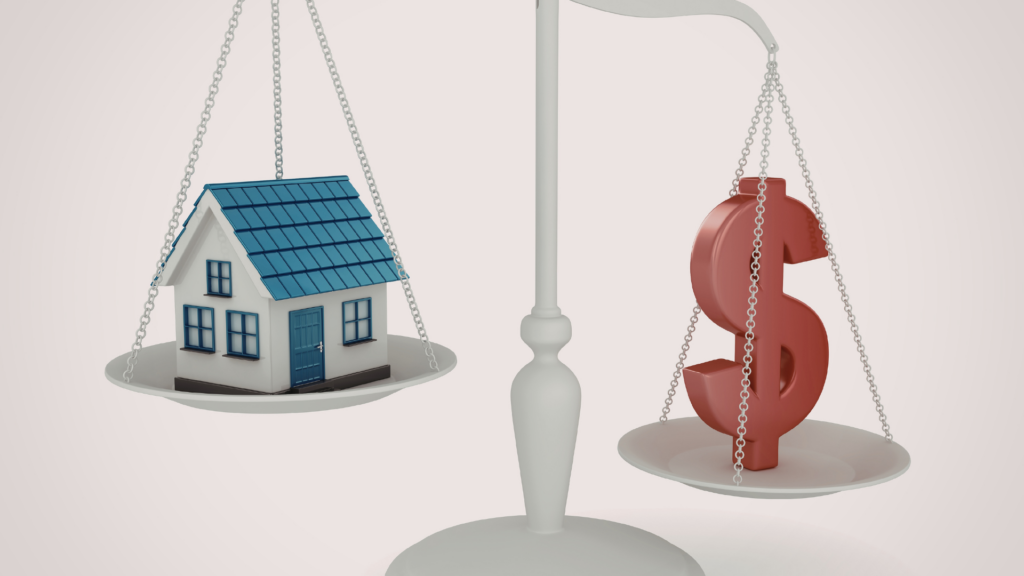
Why Online Home Values Don’t Always Tell the Truth
In Westchester County, New York—and surrounding areas like Putnam, Dutchess, Rockland Counties, and Connecticut—almost every homeowner has done it:
Checked their home’s value online.
Whether it’s Zillow, Trulia, or other automated tools, the process is quick, simple—and tempting.
But there’s one major problem:
The number you see is not always the number your home is worth.
How Online Home Value Estimates Work
A Computer-Generated Guess—Not a Professional Opinion
Online valuation tools rely on automated algorithms that pull data from:
- Public tax records
- Past MLS sales data
- Recorded property characteristics
They then process that data through proprietary models to generate an estimated value.
The limitation?
These systems cannot physically see your home—or fully understand its condition.
Why Online Home Values Can Be Inaccurate
1. They Don’t See Your Upgrades
Algorithms cannot evaluate improvements such as:
- Renovated kitchens
- New hardwood flooring
- Updated bathrooms
- Finished basements
Example:
A fully renovated home may still receive a low estimate because the system only sees outdated data—not current upgrades.
2. They Include Irrelevant or Misleading Comparables
Not All “Comps” Are Equal
Online models may include properties that:
- Are outdated or distressed
- Have been vacant for extended periods
- Aren’t truly comparable in condition or quality
Example:
A neglected property nearby may still be used as a comparison—even if it doesn’t reflect your home’s true value.
3. The Data Is Often Outdated
Markets Move Faster Than Algorithms
Real estate markets change quickly, but online estimates often rely on:
- Weeks-old sales
- Months-old data
- Delayed public record updates
Example:
A nearby home may have just sold for significantly more—but the system hasn’t updated yet.
4. They Can’t Evaluate Real-World Features
The Human Element Is Missing
Online tools cannot accurately assess important value drivers such as:
- Curb appeal
- Landscaping quality
- Views or premium locations
- Interior layout and flow
- Natural light and finishes
Example:
A home with a stunning backyard or designer upgrades may still appear undervalued online.
Why Online Estimates Can Mislead Buyers and Sellers
Emotional Reactions Based on Incomplete Data
Online estimates often create confusion:
- Sellers may feel overconfident when values are high
- Sellers may panic when values appear low
- Buyers may make incorrect assumptions about pricing
In reality, these figures are broad estimates—not true market values.
Why Experience Still Matters Most
Algorithms Don’t Replace Local Expertise
A professional valuation considers:
- Recent comparable sales
- Property condition and upgrades
- Neighborhood-specific trends
- Real-time buyer demand
- Unique property features
This is what determines true market value—not an algorithm.
The Bottom Line for NY & CT Homeowners
Across Westchester, Putnam, Dutchess, Rockland, and Connecticut:
Online home value estimates are a starting point—not a pricing strategy.
They’re useful for curiosity—but should never replace a professional analysis.
Get a True, Accurate Value for Your Home
If you’re thinking about selling—or just want to understand your home’s real value—don’t rely on an algorithm alone.
Contact the Mark Seiden Real Estate Team today.
We’ll provide a detailed, data-driven market analysis based on real local sales, current demand, and the true features of your home across Westchester County and surrounding New York and Connecticut markets.